


Who Needs a Penile Implant? EAU Guidelines Explained
Updated: Aug 13

Introduction to Erectile Dysfunction and Surgical Solutions
When conservative therapies fail, patients face a critical decision about their next steps. Furthermore, the European Association of Urology (EAU) provides clear, evidence-based recommendations for these situations. According to the latest EAU Guidelines on Sexual and Reproductive Health (2024), penile prosthesis implantation represents a definitive and highly effective treatment option. Consequently, understanding who qualifies for this procedure helps both patients and clinicians make informed decisions.
This comprehensive guide explains the EAU guideline recommendations, identifies the patient groups who benefit most from penile implants, and clarifies how this surgical solution restores sexual function when other treatments fall short.
How the EAU Guidelines Approach Penile Implants
The European Association of Urology publishes regularly updated clinical guidelines that urologists across Europe and beyond follow in daily practice. These guidelines synthesize the best available evidence from randomized controlled trials, systematic reviews, and expert consensus panels. Additionally, the EAU adopts a patient-centered philosophy that prioritizes individual needs over rigid treatment algorithms.
The Stepwise Treatment Model
The EAU traditionally recommends a stepwise approach to erectile dysfunction management:
First line: Oral PDE5 inhibitors (sildenafil, tadalafil, vardenafil, avanafil), lifestyle modifications, and psychosexual counseling
Second line: Intracavernosal injections (alprostadil, papaverine-phentolamine combinations), intraurethral alprostadil (MUSE), and vacuum erection devices
Third line: Penile prosthesis implantation
However, the EAU also acknowledges that patients may choose surgical treatment at any stage if they prefer a permanent solution. Therefore, the guidelines do not force patients through every step before considering implant surgery. Instead, they emphasize shared decision-making between the urologist and the patient.
Key EAU Recommendation (Strong Rating)
The 2024 EAU Guidelines state:
"Offer penile prosthesis implantation to patients with ED who have failed or are not candidates for pharmacotherapy, or who prefer a definitive surgical solution."
This recommendation carries a strong rating, meaning that the evidence strongly supports its clinical benefit. Furthermore, the guidelines specifically note that patient satisfaction rates with penile implants consistently exceed 90% in published literature.
Understanding the Science: Why Erections Fail
Before exploring who needs a penile implant, it is essential to understand the biological mechanism behind erections and why it breaks down.
The Role of Nitric Oxide
Sexual stimulation triggers nerve signals that travel from the brain and spinal cord to the penile tissue. These signals activate the release of nitric oxide (NO) from endothelial cells and nerve terminals within the corpus cavernosum. Subsequently, nitric oxide stimulates the enzyme guanylate cyclase, which converts GTP into cyclic guanosine monophosphate (cGMP).
Rising cGMP levels cause the smooth muscle cells within the penile arteries and trabecular tissue to relax. As a result, arterial blood flow increases dramatically, filling the two corpora cavernosa. Simultaneously, the expanding tissue compresses the subtunical venous plexus against the tunica albuginea, trapping blood within the penis. This process known as the veno-occlusive mechanism produces and maintains a rigid erection.
Why Oral Medications Have Limitations
PDE5 inhibitors work by blocking phosphodiesterase type 5, the enzyme that degrades cGMP. In other words, these medications do not create nitric oxide or cGMP on their own. Instead, they merely preserve whatever cGMP the body produces naturally.
This distinction carries enormous clinical significance. If a patient's body cannot produce sufficient nitric oxide - due to nerve damage, severe endothelial dysfunction, or vascular disease - PDE5 inhibitors have nothing to preserve. Consequently, oral medications become ineffective regardless of dose adjustments or brand changes.
Who Needs a Penile Implant? Seven Key Patient Groups
Based on the EAU Guidelines and current clinical evidence, the following patient groups benefit most from penile prosthesis implantation.
1. PDE5 Inhibitor Non-Responders
The most common indication for penile implant surgery involves men who do not respond to oral medications. Research shows that approximately 30-40% of ED patients fail to achieve satisfactory erections with PDE5 inhibitors. Non-response manifests in several ways:
The patient never experienced any benefit from oral medications
Initial effectiveness gradually declined over months or years
The patient requires maximum doses without achieving adequate rigidity
Side effects (headache, flushing, nasal congestion, visual disturbances) limit tolerable dosing
The EAU Guidelines explicitly recommend penile implant consultation for these patients, particularly when second-line therapies (injections, vacuum devices) also prove unsatisfactory or unacceptable.
2. Severe Vasculogenic Erectile Dysfunction
Vascular disease represents the leading organic cause of erectile dysfunction. Conditions such as atherosclerosis, hypertension, hyperlipidemia, and peripheral arterial disease progressively damage the endothelial lining of penile arteries. Over time, this damage severely reduces both nitric oxide production and arterial blood flow to the penis.
In advanced cases, the penile vascular system deteriorates beyond the point where any pharmacological intervention can restore function. Therefore, these patients require a mechanical solution that bypasses the compromised vascular pathway entirely. A penile implant achieves exactly this outcome by providing rigidity independent of blood flow.
3. Veno-Occlusive Dysfunction (Venous Leak)
Some men achieve partial erections but cannot maintain them because blood escapes from the corpora cavernosa too rapidly. Clinicians refer to this condition as corporeal veno-occlusive dysfunction (CVOD), commonly known as venous leak.
In this situation, arterial inflow may function normally, yet the veins fail to compress adequately against the tunica albuginea. As a result, the erection collapses within seconds or minutes. Importantly, the EAU Guidelines discourage surgical venous ligation procedures due to poor long-term outcomes and high recurrence rates. Instead, the guidelines recommend penile prosthesis implantation as the preferred definitive treatment for venous leak.
4. Diabetes-Related Erectile Dysfunction
Diabetes mellitus is one of the most devastating risk factors for erectile dysfunction. Both Type 1 and Type 2 diabetes cause damage through multiple simultaneous pathways:
Microvascular damage: Chronic hyperglycemia injures the small arteries and capillaries that supply penile tissue
Peripheral neuropathy: Diabetes damages the autonomic nerves responsible for triggering nitric oxide release
Endothelial dysfunction: Elevated glucose levels impair nitric oxide synthase activity
Hormonal disruption: Diabetes frequently reduces testosterone levels through hypothalamic-pituitary axis interference
Because diabetes attacks the erectile mechanism on so many fronts, diabetic men show significantly lower response rates to oral medications compared to the general ED population. Studies report that only 44-56% of diabetic men respond adequately to PDE5 inhibitors, versus 60-70% in non-diabetic populations. Furthermore, treatment effectiveness tends to decline faster in diabetic patients as their underlying disease progresses.
For these reasons, the EAU Guidelines recognize diabetic men with refractory ED as strong candidates for penile prosthesis implantation. Moreover, published data demonstrate that diabetic patients achieve satisfaction and functional outcomes comparable to non-diabetic implant recipients.
5. Post-Radical Prostatectomy Patients
Radical prostatectomy — the surgical removal of the prostate gland for cancer treatment — carries a well-documented risk of erectile dysfunction. Even with nerve-sparing surgical techniques, many patients experience significant or complete loss of erectile function. The cavernous nerves that run alongside the prostate are extremely delicate, and surgical trauma, inflammation, or deliberate resection can permanently interrupt the neural signaling required for natural erections.
Post-prostatectomy ED follows a characteristic pattern:
Immediate postoperative erectile dysfunction in nearly all patients
Gradual partial recovery over 12-24 months in nerve-spared patients
Permanent ED in patients who underwent non-nerve-sparing surgery or experienced bilateral nerve damage
The EAU recommends that patients wait at least 12-24 months after surgery before considering a penile implant, allowing maximum natural nerve recovery. After this interval, if erectile function remains unsatisfactory despite oral medications and injection therapy, penile prosthesis implantation offers a reliable permanent solution.
6. Peyronie's Disease with Erectile Dysfunction
Peyronie's disease involves the formation of fibrous plaques within the tunica albuginea, causing penile curvature, shortening, and pain. Additionally, approximately 20-54% of men with Peyronie's disease develop concurrent erectile dysfunction. The fibrotic process disrupts the normal veno-occlusive mechanism und may compromise arterial inflow as well.
In these cases, a penile implant serves a dual purpose: it corrects the penile curvature through intraoperative modeling techniques while simultaneously restoring erectile rigidity. The EAU Guidelines specifically endorse simultaneous implant placement and curvature correction as an efficient single-stage solution for patients with both Peyronie's disease and ED.
7. Patient Preference After Informed Consent
The EAU Guidelines contain an important provision that many patients overlook: a man may choose penile implant surgery based on personal preference, even if he has not exhausted all conservative treatment options. The guidelines respect patient autonomy and acknowledge that some men find injections painful, vacuum devices cumbersome, or oral medications unreliable.
Naturally, this decision requires thorough informed consent. The urologist must explain all available alternatives, the surgical risks, the expected outcomes, and the irreversible nature of the procedure. Once the patient fully understands these factors, his preference for a definitive surgical solution represents a valid indication according to EAU standards.
Types of Penile Implants
Modern prosthetic urology offers three main implant categories:
Three-Piece Inflatable Implant
The three-piece inflatable prosthesis represents the gold standard in penile implant surgery. This device consists of:
Two inflatable cylinders placed inside the corpora cavernosa
A fluid reservoir positioned in the prevesical space (or alternatively in the retropubic area)
A scrotal pump that transfers fluid between the reservoir and cylinders
The patient activates the device by squeezing the scrotal pump, which transfers saline from the reservoir into the cylinders, producing a natural-looking rigid erection. After intercourse, pressing the deflation valve returns the fluid to the reservoir, restoring a natural flaccid appearance. As a result, three-piece inflatables deliver the most cosmetically and functionally superior outcomes among all implant types.
Two-Piece Inflatable Implant
The two-piece device eliminates the separate reservoir by incorporating it into the rear of the cylinders or the pump mechanism. Although simpler to implant, this design provides somewhat less rigidity and less complete deflation compared to the three-piece version.
Semi-Rigid (Malleable) Rod Implant
Semi-rigid implants consist of two bendable rods that the surgeon places into the corpora cavernosa. The patient manually positions the penis upward for intercourse and downward for concealment. While lacking the natural inflation-deflation cycle, malleable implants offer simplicity, durability, and lower cost. They remain suitable for patients with limited manual dexterity who may struggle to operate an inflatable pump.
Surgical Outcomes and Patient Satisfaction
Published data consistently demonstrate excellent outcomes following penile implant surgery:
Outcome Measure | Result |
Overall patient satisfaction | 92-98% |
Partner satisfaction | 91-96% |
Mechanical device survival (10-year) | 85-95% (three-piece inflatable) |
Return to sexual activity | 4-6 weeks postoperatively |
Infection rate (with antibiotic coating) | 1-2% |
These figures explain why penile prosthesis implantation carries one of the highest satisfaction rates of any surgical procedure in urology. Furthermore, multiple long-term studies confirm that satisfaction levels remain stable even after 10-15 years of device use.
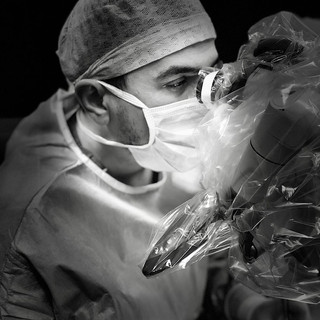
Assoc. Prof. Dr. Tuncay Taş: Expertise in Penile Implant Surgery
Assoc. Prof. Dr. Tuncay Taş is a board-certified urologist who specializes in prosthetic urology and male sexual health. He brings extensive clinical experience in diagnosing complex erectile dysfunction cases and performing advanced penile implant procedures.
His practice integrates comprehensive diagnostic evaluation including penile Doppler ultrasonography, hormonal assessment, and neurological testing to identify the precise cause of each patient's erectile dysfunction. Based on these findings, he develops individualized treatment plans that align with current EAU guideline recommendations.
In addition, Assoc. Prof. Dr. Tuncay Taş regularly performs three-piece inflatable penile implant surgeries using minimally invasive techniques. His approach prioritizes patient safety, cosmetic outcomes, and long-term device durability. Moreover, he provides international patient services with multilingual support and comprehensive preoperative and postoperative care protocols.
Frequently Asked Questions (FAQ)
Who needs a penile implant?
Men who do not respond to oral medications, injections, or vacuum devices are the primary candidates for penile implant surgery. Additionally, patients with severe vascular disease, diabetes-related ED, post-prostatectomy erectile dysfunction, Peyronie's disease with ED, or venous leak may benefit from this procedure. The EAU Guidelines also allow patients to choose implant surgery based on personal preference after receiving full informed consent.
How do doctors determine if I need a penile implant?
Your urologist will perform a thorough evaluation that includes medical history review, physical examination, blood tests (hormones, glucose, lipid panel), and specialized studies such as penile Doppler ultrasonography. These assessments help identify the underlying cause and severity of your erectile dysfunction. Based on the results, your doctor will discuss whether a penile implant represents the best option for your specific situation.
Do oral medications like Viagra actually work for everyone?
No. Research indicates that approximately 30-40% of ED patients do not achieve satisfactory results with PDE5 inhibitors. These medications require the body to produce nitric oxide naturally, so they become ineffective when the underlying biological pathway is severely damaged. Conditions such as advanced diabetes, post-surgical nerve damage, and severe vascular disease frequently render oral medications insufficient.
Why do penile implants have such high success rates?
Penile implants bypass the natural erectile mechanism entirely. Instead of relying on nerve signals, nitric oxide production, or vascular blood flow, the device creates rigidity through a mechanical hydraulic system. Therefore, implants function independently of whatever biological damage caused the erectile dysfunction. This fundamental advantage explains the consistently high satisfaction rates exceeding 90%.
What type of implant is best?
The three-piece inflatable implant is widely considered the gold standard because it provides the most natural erection and flaccid appearance. However, your surgeon may recommend a two-piece inflatable or semi-rigid malleable implant depending on your anatomy, manual dexterity, medical history, and personal preferences. Assoc. Prof. Dr. Tuncay Taş discusses all options during the preoperative consultation to determine the best fit.
How long does the surgery take, and what is the recovery period?
Penile implant surgery typically takes 45-90 minutes under general or spinal anesthesia. Most patients return home within 1-2 days after the procedure. Recovery involves a 4-6 week period of healing before the device is activated and sexual activity resumes. During this time, patients receive detailed postoperative instructions and regular follow-up appointments.
How long does a penile implant last?
Modern three-piece inflatable implants demonstrate mechanical survival rates of 85-95% at 10 years. Many patients use their devices successfully for 15-20 years or longer. If a mechanical issue eventually occurs, revision surgery can replace the device without significant difficulty.
Is penile implant surgery covered by insurance?
Coverage varies by country and insurance provider. In many healthcare systems, penile implant surgery qualifies for coverage when documented medical necessity exists - meaning the patient has failed conservative treatments and has a confirmed organic cause of ED. Your urologist can provide the necessary medical documentation to support insurance or authorization applications.
Does a penile implant affect sensation or orgasm?
No. Penile implant surgery does not alter penile sensation, orgasm quality, or ejaculatory function. The device resides entirely within the corpora cavernosa and does not affect the nerves responsible for sensation or the pathways involved in orgasm and ejaculation.
Who performs penile implant surgery?
Assoc. Prof. Dr. Tuncay Taş performs penile implant surgery using evidence-based techniques aligned with EAU guideline standards. His specialized practice focuses exclusively on prosthetic urology and male sexual health, ensuring that each patient receives expert-level surgical care and comprehensive follow-up support.
Conclusion
Penile implant surgery represents a safe, effective, and permanent solution for men with erectile dysfunction who do not respond to conservative treatments. The EAU Guidelines strongly recommend this procedure for PDE5 inhibitor non-responders, patients with severe vascular disease, venous leak, diabetes-related ED, post-prostatectomy erectile dysfunction, and Peyronie's disease with concurrent ED. Additionally, patient preference alone constitutes a valid indication when accompanied by proper informed consent.
With satisfaction rates consistently exceeding 90% and mechanical durability extending beyond a decade, penile prosthesis implantation remains one of the most successful surgical procedures in modern urology. Assoc. Prof. Dr. Tuncay Taş offers expert evaluation, personalized treatment planning, and advanced surgical techniques to help patients restore their sexual health and quality of life.


Comments