


Does a Varicocele Cause Infertility? What Repair Can and Cannot Change
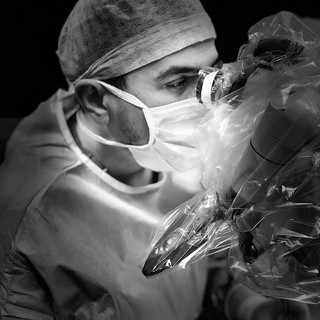
A varicocele can lower sperm count, movement and quality, but it does not make every man infertile. Most men with one father children naturally. Repair helps mainly when the varicocele is large enough to feel and the semen test is abnormal.
Medically reviewed by Assoc. Prof. Dr. Tuncay Taş, urologist. Updated November 2026.
This guide explains how a varicocele affects the testis and who gains from treatment. It also compares the repair methods side by side. Finally, it sets out what repair cannot fix, so you can plan with realistic expectations.
What is a varicocele?
A varicocele is a group of swollen veins in the scrotum, similar to varicose veins in the leg. The veins sit along the spermatic cord, which holds each testis. Normally, small valves keep blood moving upward, but weak valves let blood pool instead.
Generally, varicoceles appear during the teenage years and grow slowly.
In addition, about 9 in 10 develop on the left side. The left testicular vein meets the kidney vein at a sharp angle. As a result, blood drains against more pressure.
How common is it?
Around 15 in 100 men have a varicocele. However, the figure rises to roughly 1 in 3 men who see a doctor for infertility. Among men who fathered a child before and now struggle again, the share is higher still.
Therefore, a varicocele is common in fertile men too. On its own, finding one does not explain a couple's difficulty. Instead, the urologist must link it to a real change in the semen results.
How a varicocele can harm sperm
The testis works best a few degrees below body temperature. When warm blood pools around it, the testis heats up. In turn, sperm production slows, and the cells that support sperm work less well.
In addition, pooled blood raises oxidative stress, a build-up of reactive molecules that damage cells. As a result, sperm DNA can break into fragments. Also, the testis on the affected side may grow more slowly or shrink over time.
Which semen results change?
Count: fewer sperm per millilitre, sometimes below the normal range.
Movement: fewer sperm swim forward in a straight line.
Shape: a higher share of sperm with an abnormal head or tail.
DNA: a higher rate of fragmented DNA, which a standard test does not measure.
However, the pattern differs from man to man. Some men have a large varicocele and normal sperm. Meanwhile, others have a small one and clearly poor results, often because of a second cause.
Grades of varicocele
Urologists grade a varicocele by how easily they can feel or see it. The grade matters, because larger varicoceles respond better to repair. The table below therefore summarises the system.
Grade | How the doctor finds it | Effect on fertility | Usual advice |
Subclinical | Seen only on ultrasound | No clear effect | No repair for fertility |
Grade 1 | Felt only while you strain | Small, variable effect | Repair only with abnormal semen |
Grade 2 | Felt while standing, without straining | Moderate effect | Repair often helps if semen is abnormal |
Grade 3 | Visible through the skin | Largest effect | Repair usually advised if semen is abnormal |
For this reason, a clinical exam while standing comes first. Next, a scrotal ultrasound confirms vein size and measures both testes. Also, a right-sided or late-onset varicocele needs a kidney scan.
Does fixing a varicocele improve fertility?
For the right man, repair usually improves semen results. Sperm count and movement tend to rise, and DNA damage often falls. However, a better semen test is not the same as a guaranteed pregnancy.
Guidelines also reflect this. Indeed, US and European urology guidance supports repair in one main case. That case is a palpable varicocele with abnormal semen in a couple trying to conceive.
By contrast, the UK NICE fertility guideline advises against surgery as a fertility treatment. Its review found no clear rise in pregnancy rates.
In practice, the two views meet in the middle. Repair makes sense when the varicocele is palpable, the semen is abnormal and the female partner has time. Conversely, repair adds little when the semen is normal or the varicocele shows only on a scan.
Who is most likely to benefit
Men with a grade 2 or 3 varicocele and a low sperm count or poor movement.
Men with high sperm DNA fragmentation and no other clear cause.
Couples where the female partner is younger and has a normal egg reserve.
Teenagers whose testis on the affected side is clearly smaller or stops growing.
Men with very few or no sperm, where repair may reduce the need for surgical retrieval.
Who is less likely to benefit
Men with normal semen results, unless pain or testis growth is the concern.
Men whose varicocele shows only on ultrasound.
Couples where the female partner's age leaves little time to wait.
Men with a genetic cause or a blockage that explains the semen results.
Repair methods compared
Several methods close the faulty veins, and each keeps the artery and lymph vessels open. Still, they differ in recurrence, side effects and recovery. The table compares the main options.
Method | How it works | Recurrence | Main drawbacks |
Microsurgical subinguinal repair | Small groin cut; veins tied under an operating microscope | About 1 to 2 per cent | Needs microsurgical skill; longer operation |
Laparoscopic repair | Veins clipped inside the abdomen through keyhole ports | Higher than microsurgery | General anaesthetic; more fluid build-up afterwards |
Open inguinal or high repair | Larger cut; veins tied without a microscope | Higher than microsurgery | Risk of fluid build-up and missed small veins |
Embolisation | Radiologist blocks the vein through a catheter | Varies; some veins cannot be reached | X-ray exposure; contrast dye |
For fertility, many urologists prefer the microsurgical route.
It also has the lowest recurrence rate. Moreover, fluid around the testis, called a hydrocele, follows in under 1 in 100 men. Assoc. Prof. Taş describes the steps on the microscopic varicocelectomy page.
What repair cannot change
A varicocele is only one of many causes of male infertility. Therefore, repair cannot help if another problem drives the poor result. So a full assessment before surgery avoids that disappointment.
Genetic causes: Klinefelter syndrome or Y chromosome deletions stay the same after repair.
Blockages: a blocked vas deferens or epididymis needs a different operation or sperm retrieval.
Hormone problems: low pituitary hormones or past testosterone use need their own treatment.
Partner factors: egg reserve, tubes and age stay unchanged by any male operation.
Lost testis volume: a testis that has already shrunk in adulthood rarely regains full size.
For this reason, the work-up includes two semen tests, hormone levels and, when counts are very low, genetic tests. The male infertility assessment page lists these tests in more detail.
Varicocele with very low or no sperm
Some men with a varicocele have no sperm in the semen at all. In that case, the varicocele is rarely the only cause. Even so, repair returns a small number of sperm to the semen in some of these men.
That small gain can matter. For example, sperm in the ejaculate may allow ICSI without testicular surgery. If no sperm appear, however, micro-TESE sperm retrieval can still search inside the testis.
Before repair, though, genetic tests should come first in men with no sperm. In addition, our guide to obstructive vs non-obstructive azoospermia explains how doctors tell the causes apart.
How the assessment works before any decision
A good decision rests on more than the scan. First, the urologist takes a full history, including past surgery, mumps, medicines and any testosterone use. Next, the examination happens while you stand and again while you lie down.
Test | What it shows | Why it matters for repair |
Two semen analyses | Count, movement and shape | Repair is weighed only if results are abnormal |
Scrotal ultrasound | Vein width, reflux and testis volume | Confirms the grade and any size difference |
Hormone tests (FSH, LH, testosterone) | How well the testis responds | A very high FSH suggests a deeper production problem |
Sperm DNA fragmentation | Breaks in sperm DNA | High values may support repair or change the IVF plan |
Genetic tests | Chromosome and Y chromosome changes | Needed when the count is very low or zero |
After that, the urologist puts the results side by side with the female partner's tests. In this way, the couple chooses between repair, IVF or both, based on facts rather than the scan alone.
Pain, testis growth and fertility are separate questions
Not every man who asks about a varicocele is trying for a baby. Some simply have a dragging ache after standing or exercise. In that case, supportive underwear and simple painkillers come first, and repair is an option if the ache persists.
Teenagers, however, form a separate group.
Here, the main concern is whether the testis on the affected side keeps growing. Consequently, doctors measure both testes once or twice a year. Then they suggest repair if the gap widens or a later semen test is abnormal.
Finally, a varicocele may also lower testosterone in some men. Repair may raise the level a little, although it is not a standard treatment for low testosterone. Your urologist will explain whether this applies to you.
What to expect after repair
Microsurgical repair is usually a day-case operation. Generally, men return to desk work within a few days. Heavy lifting, cycling and sex usually wait for about two weeks.
First week: mild groin soreness, eased with simple painkillers and supportive underwear.
Two weeks: the wound settles and normal activity returns.
Three months: first repeat semen analysis, since new sperm take about this long to form.
Six months: second semen analysis, which shows most of the final change.
Meanwhile, keep trying to conceive as usual. A semen sample can also be frozen before or after repair if timing is a worry. Your local doctor can arrange the follow-up tests at home.
Common myths about varicocele and fertility
"A varicocele means I am infertile." Most men with one father children without help.
"Repair will definitely lead to pregnancy." It often improves semen, but pregnancy depends on both partners.
"Every varicocele on a scan needs surgery." Scan-only varicoceles do not need repair for fertility.
"Supplements can replace repair." No supplement closes a faulty vein, although healthy habits still support sperm.
Some swellings in the scrotum are not varicoceles at all. Our article on scrotal swelling causes explains how a hydrocele, hernia or cyst differs.
When to see a urologist
See a urologist if you notice a soft, worm-like swelling above the testis. Also watch for a dull ache by evening or a testis that looks smaller. In addition, arrange an assessment in these situations.
You have tried to conceive for 12 months, or 6 months if your partner is 36 or older.
A semen test showed a low count, poor movement or high DNA fragmentation.
A teenager has a varicocele and one testis looks smaller.
A swelling appears suddenly, or only on the right side.
To plan an assessment in person, book a consultation with Assoc. Prof. Taş or message the team on WhatsApp. Patients from the US, Canada and the UK receive a personal plan after the consultation. Then the coordinator arranges the days in Istanbul.
Frequently asked questions
Does a varicocele always cause infertility?
No. About 15 in 100 men have a varicocele, and most of them father children without help. However, it is more common in men with fertility problems. So it deserves a check when a couple struggles to conceive.
How does a varicocele affect sperm?
Pooled blood warms the testis and exposes it to more oxidative stress. As a result, sperm count, movement and shape can fall, and sperm DNA can become fragmented. The effect varies a lot from man to man.
Will fixing a varicocele improve my sperm count?
Often, yes, if the varicocele is large enough to feel and the semen test is abnormal. Sperm take about three months to form. So the first useful test comes at three months, and the next at six.
Should a varicocele be repaired if my semen test is normal?
Usually not for fertility. Repair may still make sense for a persistent ache or, in teenagers, for a testis that stops growing. Your urologist weighs symptoms, testis size and repeat semen results.
Can a varicocele cause azoospermia?
It can contribute to it, although other causes are usually present too. After repair, some men with no sperm regain a small number of sperm in the semen. If not, micro-TESE can still look for sperm inside the testis.
Is a left-sided varicocele normal?
Yes. Most varicoceles appear on the left because of how the left testicular vein drains. However, a new right-sided or sudden varicocele in an older man needs a kidney scan.
Should we choose varicocele repair or IVF?
It depends mainly on the female partner's age and egg reserve. Repair needs months to work, so it suits younger couples. When time is short, IVF with ICSI may come first, and repair can still improve the sperm used.
Sources
About the reviewer
Assoc. Prof. Dr. Tuncay Taş is a urologist in Istanbul with more than 20 years of experience and patients from over 60 countries. He graduated from Istanbul University in 2004, trained at Taksim Training and Research Hospital, completed a uro-oncology and laparoscopy fellowship at Heidelberg University and belongs to the EAU and the Endourological Society. Read his full profile.


Comments